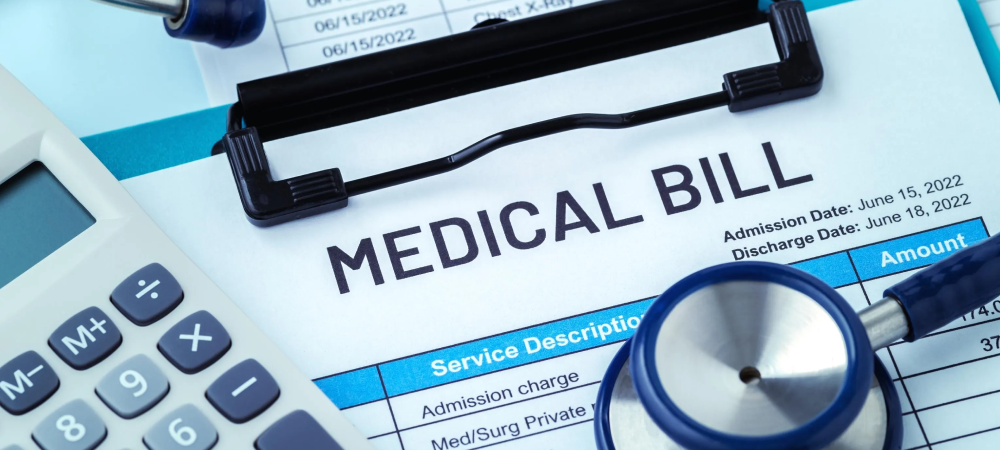
An itemized bill is a detailed statement that lists every service, supply, and charge from a medical visit as a separate line, rather than showing one combined total. It includes the date of each service, the billing code used, a description of the item or procedure, and the individual cost before any insurance adjustment. Patients can request one from any provider or hospital, and reviewing it line by line is the most reliable way to catch billing errors before paying a balance. This applies whether the visit was a routine office appointment or something like an urgent care billing guide visit, where several separate charges are common. Providers looking to keep this level of accuracy on every statement often rely on our medical billing services to code and submit claims correctly the first time.
This guide explains what an itemized bill contains, how to read each section, how to request one, and what to do if you find a charge that looks wrong.
What Is an Itemized Bill?
An itemized bill is the full, line-by-line version of a medical charge, as opposed to a summary bill, which only shows a lump total due. Where a summary statement might list “Facility Charges: $4,200,” an itemized bill breaks that same amount into every individual test, supply, drug, and procedure that made up the total. Specialty visits often generate this kind of detailed breakdown too, as shown in this OBGYN medical billing guide.
Providers are generally required to produce an itemized bill on request, since it reflects the same coded claim data already submitted to your insurer. If you have only received a summary statement so far, you are entitled to ask for the itemized version before paying. Seeing how that coded data eventually turns into payment is covered in this guide on medical reimbursement explained.
What Information Appears on an Itemized Bill
A complete itemized bill typically includes the following, based on how providers structure claims for insurance submission:
- Date of service for each individual charge, not just the overall visit date
- Billing codes, such as CPT or HCPCS codes, identifying the exact procedure, test, or supply
- Item or service description in plain language next to each code
- Individual cost for each line before any insurance adjustment is applied
- Insurance adjustments or discounts, shown as credits against the original charge
- Provider or facility information, including the name and address of who performed the service
- Account and statement details, including your account number and the statement date
The Centers for Medicare & Medicaid Services (CMS) outlines a similar breakdown as part of its general guidance on how to read a medical bill, which covers the same core elements: provider information, account number, statement date, and itemized service dates. For claims billed under Medicaid specifically, similar principles apply, as covered in this Medicaid billing 101 guide.
How to Read an Itemized Bill Step by Step
Reading an itemized bill is easier when you go line by line against your own records rather than trying to review the whole statement at once.
- Match each line to your visit. Compare every date and service against your own memory of the visit, your discharge notes, or your after-visit summary.
- Look for duplicate charges. The same test, drug, or supply billed twice on the same date is one of the most common errors on hospital statements.
- Check for services you did not receive. Supplies, tests, or room charges that don’t match your actual visit should be flagged.
- Compare the insurance adjustment column against your plan. The discount or adjustment applied should match what your insurer’s explanation of benefits (EOB) shows for the same claim.
- Confirm the billing codes make sense for your visit. A code that describes a more complex or higher-severity service than what you actually received is worth questioning directly with the provider’s billing office.
How to Request an Itemized Bill
If you have only received a summary statement, you can request the itemized version directly:
- Call the provider’s or hospital’s billing department and ask specifically for an itemized statement with billing codes included.
- Follow up in writing, either by email or through the patient portal, so there is a dated record of your request.
- Request the itemized bill before a scheduled procedure if you want to review pricing in advance, not just after receiving a statement.
How YTC Healthcare’s Team Handles This
Billing errors on an itemized statement almost always trace back to how a claim was coded and submitted in the first place, which is why accuracy at that stage matters more than catching mistakes after the fact. YTC Healthcare’s Medical Billing and Coding team codes each claim against the documentation on file before it is submitted, and the Compliance and Reporting team reviews claims for coding accuracy and consistency with payer requirements. When a patient or client practice flags a discrepancy on a statement, the Accounts Receivable team cross-checks it against the original claim and coding record, so corrections are based on the documented service rather than guesswork, work that depends on consistent staffing amid broader pressures like those described in this piece on the Ontario healthcare staffing crisis. This is part of how YTC Healthcare maintains its internal benchmark of 95% or higher first-pass claim acceptance.
How to Dispute an Incorrect Charge
If your itemized bill shows a charge that doesn’t match your visit, the dispute process generally follows the same steps regardless of provider:
- Call the billing office first. Ask directly about the specific line item you believe is wrong, and note the date and name of who you spoke with.
- Request a formal review in writing. A written request creates a record and often triggers a more thorough internal audit than a phone call alone.
- Gather supporting documentation. Medical records, discharge notes, and your insurer’s EOB all help support your position.
- File an appeal with your insurer if coverage was denied incorrectly. This applies when the itemized bill shows a service that should have been covered under your plan but was denied or processed as out-of-network in error.
- Keep copies of every call log, letter, and document related to the dispute. If the balance is later sent to collections while the dispute is unresolved, this record supports your case.
FAQ
What is considered an itemized bill?
An itemized bill is a statement that lists every individual service, supply, and charge from a medical visit separately, including the date, billing code, description, and cost of each line, rather than a single combined total.
Is it worth asking for an itemized bill?
Yes. An itemized bill is the only version detailed enough to show duplicate charges, services never received, or coding errors, all of which are common sources of billing mistakes on hospital and provider statements.
How do I request an itemized bill from a hospital?
Contact the billing department directly and ask specifically for an itemized statement with billing codes included, then follow up in writing through email or the patient portal to keep a dated record of your request.
Does asking for an itemized bill lower the total cost?
Requesting an itemized bill does not automatically lower your bill. It gives you the detail needed to identify errors or unnecessary charges, which can then be disputed or corrected, potentially reducing what you owe.
What common errors show up on itemized medical bills?
The most common errors are duplicate charges for the same service, charges for supplies or tests never provided, and coding that reflects a more complex service than what was actually performed.
How to dispute a medical bill after reviewing the itemized statement?
Start by calling the provider’s billing office about the specific charge, then follow up with a written request for a formal review, supporting documentation, and an insurance appeal if a covered service was denied in error.
What is the difference between an itemized bill and a summary bill?
A summary bill shows only a total amount due for a visit or admission, while an itemized bill breaks that same total into every individual line, including dates, codes, descriptions, and costs.