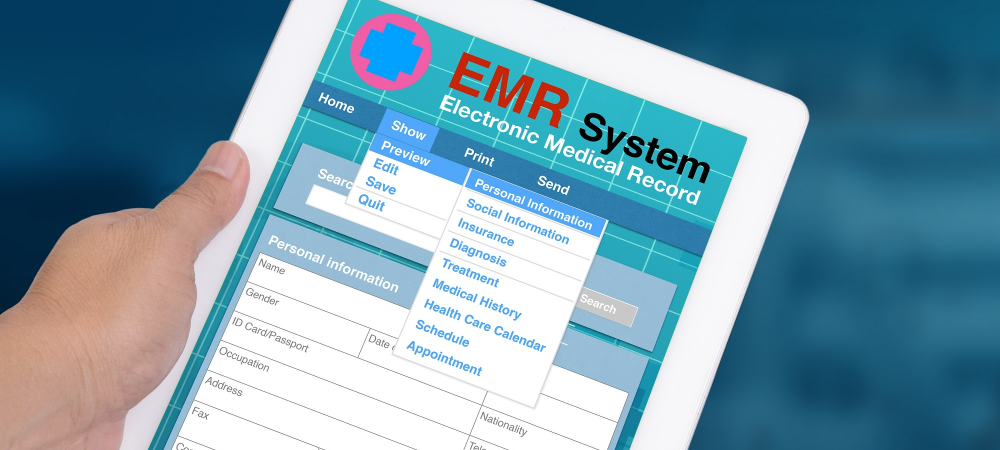
An Electronic Health Records (EHR) specialist manages, maintains, and secures digital patient data, acting as a bridge between clinical staff and the software systems that store that data. The role combines data management, software troubleshooting, privacy compliance, and staff training into one position, and it typically requires a working knowledge of medical terminology alongside comfort with a major EHR platform. Demand for this role has been rising as more healthcare offices move away from paper records, making it a reasonably accessible entry point into healthcare administration or health IT. Practices building out this kind of administrative capacity often pair it with expert medical billing services to keep records and revenue cycle work aligned.
This guide covers what the role actually involves day to day, the skills employers look for, where the position typically sits in a healthcare organization, and what the career path and outlook look like.
What Does an EHR Specialist Do?
The day-to-day responsibilities of an EHR specialist center on keeping digital patient records accurate, secure, and usable by the clinical team.
- Manage digital patient files. Input and update patient histories, test results, and treatment notes within the EHR system.
- Audit chart quality. Check patient charts for completeness, accuracy, and a clear, consistent timeline of care.
- Ensure compliance. Confirm that data handling meets applicable privacy and security requirements, such as HIPAA in the United States or PHIPA in Ontario.
- Support and train staff. Help doctors, nurses, and administrative staff use the EHR system effectively, and troubleshoot day-to-day technical issues as they come up.
- Bridge clinical and IT needs. Act as the point person between clinical staff who use the system daily and the IT support structure behind it, particularly for configuring workflows or resolving system issues.
Core Skills Required
- Platform proficiency. Working knowledge of the specific EHR software used by the employer, such as Epic, Oracle Health (formerly Cerner), or a comparable Canadian platform like Accuro.
- Medical terminology. A basic understanding of clinical language and coding structures, since chart auditing and data entry both depend on recognizing when documentation is incomplete or inconsistent.
- Attention to detail. The ability to spot data errors, inconsistent timelines, or incomplete chart entries before they become a documentation or billing problem.
- Communication skills. Comfort explaining system functionality clearly to clinical staff who may not be technically inclined, and communicating with patients when data verification is needed.
- Privacy and security knowledge. A solid grasp of the specific rules governing protected or personal health information in the jurisdiction where the role is based.
Common EHR Platforms You’ll Work With
Which platform an EHR specialist works with depends heavily on the healthcare setting and country.
In United States hospital and health-system settings, common platforms include Epic and Oracle Health (formerly Cerner), both of which have substantial dedicated implementation and support ecosystems, including specific analyst and support roles built around each platform. Staff in these support roles also benefit from understanding billing timelines, such as those covered in this guide on medical billing time limits by state, since claims processing deadlines vary by jurisdiction.
In Canadian medical offices, particularly in Ontario, common platforms include Accuro, OSCAR, and Jane App, and EHR specialist responsibilities in these settings often overlap more directly with billing workflow support than in larger US hospital systems. This overlap is part of why many people exploring this path also look into a medical biller career guide.
Because platform experience doesn’t always transfer cleanly between systems, many EHR specialists build depth on one or two specific platforms over the course of their career rather than broad, shallow familiarity with many.
How to Become an EHR Specialist
Entry into this role is typically possible with a high school diploma or equivalent, combined with a relevant certification. The most recognized credential is the Certified Electronic Health Records Specialist (CEHRS), offered through the National Healthcareer Association, which validates the core competencies employers look for in this role: data management, EHR software use, medical terminology, and privacy compliance.
For a closer look at when this kind of certification is genuinely worth pursuing versus when hands-on platform experience matters more, see our guide on electronic medical records certification.
Career Outlook and Growth
Employment demand for health records and EHR-related roles has been rising as more healthcare organizations complete the shift from paper to digital record systems. The U.S. Bureau of Labor Statistics tracks the broader medical records specialist occupational category, which includes roles focused on compiling, processing, and maintaining patient records for both clinical use and insurance reimbursement purposes, and projects continued demand growth for this occupational group as digital record-keeping continues to expand across healthcare settings. Understanding how that reimbursement side actually works is covered in more detail in this guide on medical reimbursement explained.
Where EHR Specialists Work
In insurance-facing settings, EHR specialists often work alongside claims staff explaining details like what is an itemized medical bill to patients requesting clarification. EHR specialists are employed across a range of healthcare settings, each with a somewhat different day-to-day focus:
- Hospitals, where the role often involves supporting a large, enterprise-level EHR platform used across multiple departments
- Private clinics and physician offices, where the role frequently blends EHR support with broader administrative and billing responsibilities
- Insurance offices, where the focus shifts more toward records auditing and data verification supporting claims processing
Salary Snapshot
Compensation for EHR specialist roles varies by employer, region, and experience level. According to a Robert Half report on EMR specialist compensation, average earnings for this role are in the range of roughly $60,000 per year in the United States, though this varies meaningfully depending on the specific employer, region, and years of experience. As with most healthcare administration roles, compensation also tends to increase with platform-specific expertise, such as demonstrated proficiency with a major enterprise EHR system, compared to entry-level, generalist EHR familiarity.
EHR Specialist Roles in Canada vs. the United States
The role looks somewhat different depending on which country’s healthcare system it sits within. In the United States, EHR specialist roles at hospitals and larger health systems often specialize around a single enterprise platform, with dedicated analyst and support career tracks built around that specific software. In Canada, and specifically in Ontario, the role is more likely to combine EHR support with regional billing workflow knowledge, since provincial billing structures are built directly into how platforms like Accuro and OSCAR are used in day-to-day clinic operations.
How YTC Healthcare’s Team Approaches This
Placing an EHR specialist successfully depends on matching a candidate’s specific platform experience and skill depth to what a client practice actually needs, not just confirming they’ve held a similar title before. YTC Healthcare’s Healthcare Staffing and Credentialing team evaluates candidates against the specific EHR platform and workflow requirements of each client practice, whether that’s enterprise-level platform experience for a hospital-affiliated role or the combined EHR and billing familiarity that smaller practices in Ontario and Quebec often need. This matching process is part of how YTC Healthcare supports client practices in building administrative and health IT teams that are productive from day one, rather than requiring an extended ramp-up period after placement, an approach also reflected in this guide on how billing services help clinics.
FAQ
What does an EHR specialist do on a daily basis?
An EHR specialist manages digital patient files, audits charts for accuracy and completeness, ensures data handling meets privacy and security requirements, and helps train clinical staff on the EHR system in use.
What certification is most recognized for EHR specialist roles?
The Certified Electronic Health Records Specialist (CEHRS), offered through the National Healthcareer Association, is the most widely recognized entry-level credential for this role in the United States.
What skills do employers look for in an EHR specialist?
Employers typically look for platform-specific software proficiency, working knowledge of medical terminology, attention to detail for chart auditing, clear communication skills, and a solid understanding of applicable privacy and security requirements.
Where do EHR specialists typically work?
EHR specialists work across hospitals, private clinics and physician offices, and insurance offices, with the specific focus of the role shifting somewhat depending on the setting.
Is the EHR specialist role in demand?
Yes. Demand for EHR-related roles has been rising as more healthcare organizations shift from paper-based to digital record systems, and the U.S. Bureau of Labor Statistics projects continued growth for the broader medical records specialist occupational category.
How does the EHR specialist role differ between Canada and the United States?
In the United States, the role often specializes around a single enterprise platform like Epic or Oracle Health, while in Canada, particularly Ontario, the role frequently combines EHR support with regional billing workflow knowledge tied to platforms like Accuro and OSCAR.