
Medical Billing Time Limits by State: What Patients and Providers Should Know

Medical billing time limits are not set by a single national law. Instead, they depend on the payer type. Medicare enforces one nationwide deadline. Medicaid and private commercial insurers each set their own filing windows, and those windows can differ by state, by plan, and by contract. Patients also face separate rules that govern how long a provider can wait before sending a bill and how long a debt can legally be pursued. Practices trying to track all of these deadlines at once often rely on medical billing services to keep every payer’s clock on schedule. This guide breaks down each of these timelines separately so patients and providers know exactly which rule applies to their situation, and what happens when a deadline is missed. What Are Medical Billing Time Limits? A medical billing time limit is the window a healthcare provider has to submit a claim to an insurer after a service is rendered. Miss that window, and the payer can deny the claim outright, regardless of whether the service was medically necessary or correctly coded. These limits exist for a practical reason: insurers need claims filed while records, documentation, and coordination-of-benefits information are still current. The tradeoff is that a provider’s billing team has to track multiple deadlines across multiple payers at once, often with different clocks running for original claims, corrected claims, and appeals. Three separate categories of time limits matter here, and they are frequently confused with one another: Claims filing limits – how long a provider has to submit a claim to an insurer. Patient billing timing – how long a provider typically takes to send the patient their portion of the bill. Statute of limitations on medical debt – how long a provider or collection agency can legally sue over an unpaid balance. Medicare Claims Filing Time Limits Medicare’s timely filing rule is the most consistent of the three payer types because it applies the same way in every state. Under the Medicare Claims Processing Manual (CMS Publication 100-04, Chapter 1), providers must submit a claim within 12 months (365 days) of the date of service. Claims submitted after this window are denied as untimely, and in most cases that denial cannot be appealed on the basis of the deadline alone. There are limited exceptions, such as retroactive Medicare eligibility determinations, but these are handled case by case through CMS’s own exception process, not through the standard appeals track. Understanding how a timely claim actually turns into payment is covered in more detail in this guide on medical reimbursement explained. Because this deadline is federal, it does not change based on where the practice or the patient is located. Medicaid Claims Filing Time Limits by State Medicaid is jointly funded but state-administered, which means each state Medicaid agency sets its own timely filing window rather than following a single federal standard. Filing periods across state Medicaid programs commonly range from 90 days to 365 days from the date of service, and some states apply shorter windows for specific claim types, such as resubmissions or coordination-of-benefits claims involving a secondary payer. Practices newer to this program often start with a broader resource like this Medicaid billing 101 guide before drilling into state-specific deadlines. Because these windows vary and change periodically, providers should confirm the current deadline directly with their state Medicaid agency or provider manual before assuming a filing window carries over from a prior year or from another state’s rules. Payer Type Typical Filing Window Set By Medicare 12 months (365 days) CMS, nationwide Medicaid 90 to 365 days Individual state agency Private/Commercial Insurance 90 to 180 days Individual payer contract Private and Commercial Insurance Filing Time Limits Private insurers do not follow state-mandated deadlines the way Medicaid does. Instead, filing windows are set in the provider’s contract with each payer and are typically outlined in that insurer’s provider manual. Most commercial filing windows fall between 90 and 180 days from the date of service, though some contracts allow longer or shorter periods depending on network agreement terms. Specialty practices juggling this alongside their own coding requirements, such as those outlined in this OBGYN medical billing guide, face an added layer of complexity on top of standard filing rules. This is one of the most common points of confusion in a multi-payer billing operation: a practice may be in-network with several commercial payers, each carrying a different deadline, and out-of-network claims frequently carry stricter or shorter windows than in-network claims with the same insurer. Patient Billing Time Limits Unlike claims filing deadlines, there is generally no fixed federal or state law that requires a provider to send the patient their first bill within a specific number of days. In practice, most providers issue a first statement within a few weeks to a couple of months after the claim is adjudicated by the insurer. Patients reviewing that first statement often have questions covered in this guide on what is an itemized medical bill. That said, a small number of states have passed specific statutes governing how long a provider has to bill a patient directly. For example, Texas Health and Safety Code Sections 146.002 and 146.003 require certain providers to bill within a defined window after the date of service, and providers who miss that window may be barred from collecting from the patient. Rules like this are state-specific, so providers operating across multiple states should confirm local requirements rather than applying one state’s rule everywhere. Statute of Limitations on Medical Debt Once a bill is sent and goes unpaid, a separate clock starts: the statute of limitations for pursuing that debt through the courts. This is a state-level legal limit, and it commonly ranges from 3 to 10 years depending on the state and whether the debt is treated as a written contract, an open account, or another legal category. After this period expires, a provider or collection agency generally cannot successfully sue to collect the debt, although the debt itself may still
Medical Biller: What They Do and How to Start a Career in Medical Billing

A medical biller is the link between healthcare providers, insurance companies, and patients, responsible for turning coded medical documentation into submitted insurance claims and following those claims through to payment. Where a medical coder translates a patient’s diagnosis and treatment into standardized codes, a medical biller takes those codes and uses them to generate claims, verify coverage, chase down unpaid balances, and manage denials and appeals. In smaller practices, one person sometimes handles both coding and billing, while larger organizations typically separate the two roles. Practices that would rather not build this function from scratch often bring in a dedicated medical billing services team instead. This guide covers what a medical biller actually does day to day, how the role differs from medical coding, the skills and certifications that matter most, and the concrete steps to start this career. What Does a Medical Biller Do? A medical biller’s core responsibilities center on turning clinical and coding information into paid claims, and following up when that process doesn’t go smoothly on the first attempt. Part of that responsibility includes helping patients make sense of documents like what is an itemized medical bill when questions come up about a balance owed. Verify insurance eligibility and benefits. Confirm a patient’s coverage is active and understand what services their plan actually covers before a claim is submitted. Obtain pre-authorizations. Secure required approval for specific treatments or procedures before they’re performed, when the patient’s plan requires it. Audit and submit claims. Review coded claims for errors or inconsistencies using billing software before submitting them to the payer. Follow up on unpaid or rejected claims. Track claim status, identify why a claim was denied or underpaid, and manage the correction or appeal process. Support patients directly. Answer patient billing questions and set up payment arrangements for balances owed after insurance has processed a claim. Medical Biller vs. Medical Coder: What’s the Difference These two roles are closely connected but distinct, and the difference matters for anyone deciding which career path to pursue. Medical coders review clinical documentation and translate diagnoses, procedures, and services into standardized codes, primarily ICD-10, CPT, and HCPCS. Their focus is on accurately representing what happened during the patient encounter in code form. Medical billers take those codes and build them into a claim, then manage that claim through submission, payer review, and payment, following up on anything that stalls along the way. Their focus is less on the coding itself and more on the financial and administrative process of actually getting the claim paid, a process covered in more depth in this guide on how billing services help clinics. In smaller clinics, it’s common for one person to handle both roles. In larger practices, hospitals, or specialized billing companies, these functions are typically split between dedicated coding and billing staff, each with their own specific training focus. Core Skills Needed Attention to detail. Reviewing claims for errors before submission, and catching small inconsistencies that would otherwise trigger a denial. Medical terminology knowledge. A working understanding of clinical terms and coding structures, since a biller has to recognize when a code or diagnosis doesn’t fit what’s documented. Billing software proficiency. Comfort using claims management and billing software, along with the EMR or EHR system a practice uses. Communication skills. The ability to explain billing issues clearly to patients and to advocate effectively with insurance representatives when following up on a denial. Adaptability and resilience. Billing work involves ongoing changes to payer policy and regular denial follow-up, which requires patience and the ability to manage a steady stream of unresolved claims without losing track of details. How to Start a Career in Medical Billing Complete a high school diploma or equivalent. This is the baseline educational requirement for entry-level billing roles. Complete foundational training. A certificate or vocational program covering medical terminology, basic anatomy, and billing software gives you the core knowledge most employers expect. Earn a recognized certification. A credential such as the Certified Professional Biller (CPB), offered through AAPC, strengthens a resume and signals a verified level of competency to employers. Gain practical, entry-level exposure. Starting in a front-office or clinic support role, handling patient intake, insurance verification, or prior authorizations, builds the practical foundation that pure classroom training doesn’t fully cover. Certifications That Matter The Certified Professional Biller (CPB) credential from AAPC is one of the most widely recognized certifications specifically for medical billing, distinct from coding-focused credentials like the Certified Professional Coder (CPC). For billers who also handle coding responsibilities, particularly common in smaller practices, a combined coding and billing certification path may make more sense than pursuing a billing-only credential in isolation. Where Medical Billers Work Medical billers are employed across a range of settings, and the day-to-day focus shifts depending on where they work: Physician offices and clinics, where billing responsibilities are often combined with front-desk or administrative duties Hospitals and health systems, where billing is typically a dedicated function separate from clinical coding Third-party billing companies, which handle billing on behalf of multiple provider clients and often specialize by specialty or payer type Remote or work-from-home arrangements, which have become increasingly common in medical billing as claims processing has moved further online Career Outlook and Compensation Demand for medical billing professionals has remained steady as healthcare claims volume continues to grow and payer requirements become more detailed and specialty-specific. Compensation varies significantly by region, employer type, experience level, and whether the role combines billing with coding responsibilities. Rather than citing a single figure, it’s worth checking current job postings and salary data specific to your region and target employer type, since ranges shift meaningfully between entry-level clinic roles and specialized billing positions at larger organizations or dedicated billing companies. Understanding how the payment side of this process actually works is covered in more detail in this guide on medical reimbursement explained. Medical Billing Careers in Canada vs. the United States The role differs somewhat depending on which country’s healthcare system it operates within. In the United
EHR Specialist: Job Description, Skills, and Career Outlook
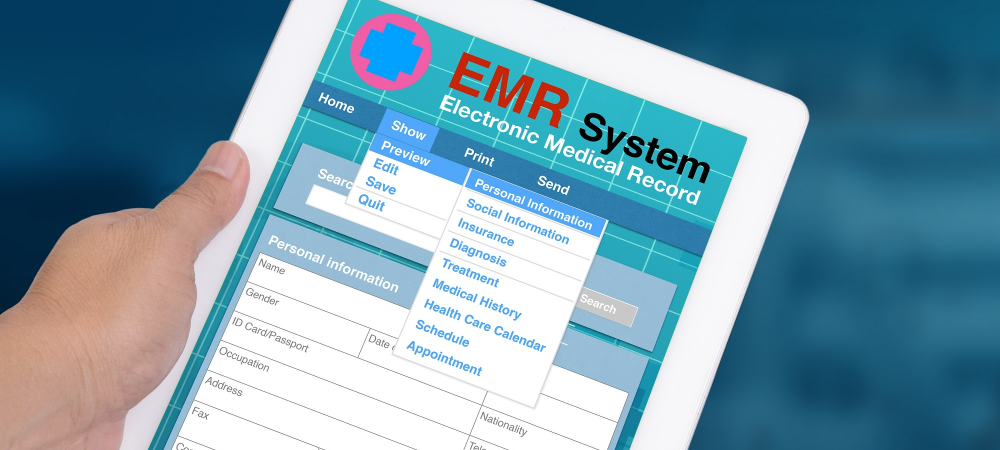
An Electronic Health Records (EHR) specialist manages, maintains, and secures digital patient data, acting as a bridge between clinical staff and the software systems that store that data. The role combines data management, software troubleshooting, privacy compliance, and staff training into one position, and it typically requires a working knowledge of medical terminology alongside comfort with a major EHR platform. Demand for this role has been rising as more healthcare offices move away from paper records, making it a reasonably accessible entry point into healthcare administration or health IT. Practices building out this kind of administrative capacity often pair it with expert medical billing services to keep records and revenue cycle work aligned. This guide covers what the role actually involves day to day, the skills employers look for, where the position typically sits in a healthcare organization, and what the career path and outlook look like. What Does an EHR Specialist Do? The day-to-day responsibilities of an EHR specialist center on keeping digital patient records accurate, secure, and usable by the clinical team. Manage digital patient files. Input and update patient histories, test results, and treatment notes within the EHR system. Audit chart quality. Check patient charts for completeness, accuracy, and a clear, consistent timeline of care. Ensure compliance. Confirm that data handling meets applicable privacy and security requirements, such as HIPAA in the United States or PHIPA in Ontario. Support and train staff. Help doctors, nurses, and administrative staff use the EHR system effectively, and troubleshoot day-to-day technical issues as they come up. Bridge clinical and IT needs. Act as the point person between clinical staff who use the system daily and the IT support structure behind it, particularly for configuring workflows or resolving system issues. Core Skills Required Platform proficiency. Working knowledge of the specific EHR software used by the employer, such as Epic, Oracle Health (formerly Cerner), or a comparable Canadian platform like Accuro. Medical terminology. A basic understanding of clinical language and coding structures, since chart auditing and data entry both depend on recognizing when documentation is incomplete or inconsistent. Attention to detail. The ability to spot data errors, inconsistent timelines, or incomplete chart entries before they become a documentation or billing problem. Communication skills. Comfort explaining system functionality clearly to clinical staff who may not be technically inclined, and communicating with patients when data verification is needed. Privacy and security knowledge. A solid grasp of the specific rules governing protected or personal health information in the jurisdiction where the role is based. Common EHR Platforms You’ll Work With Which platform an EHR specialist works with depends heavily on the healthcare setting and country. In United States hospital and health-system settings, common platforms include Epic and Oracle Health (formerly Cerner), both of which have substantial dedicated implementation and support ecosystems, including specific analyst and support roles built around each platform. Staff in these support roles also benefit from understanding billing timelines, such as those covered in this guide on medical billing time limits by state, since claims processing deadlines vary by jurisdiction. In Canadian medical offices, particularly in Ontario, common platforms include Accuro, OSCAR, and Jane App, and EHR specialist responsibilities in these settings often overlap more directly with billing workflow support than in larger US hospital systems. This overlap is part of why many people exploring this path also look into a medical biller career guide. Because platform experience doesn’t always transfer cleanly between systems, many EHR specialists build depth on one or two specific platforms over the course of their career rather than broad, shallow familiarity with many. How to Become an EHR Specialist Entry into this role is typically possible with a high school diploma or equivalent, combined with a relevant certification. The most recognized credential is the Certified Electronic Health Records Specialist (CEHRS), offered through the National Healthcareer Association, which validates the core competencies employers look for in this role: data management, EHR software use, medical terminology, and privacy compliance. For a closer look at when this kind of certification is genuinely worth pursuing versus when hands-on platform experience matters more, see our guide on electronic medical records certification. Career Outlook and Growth Employment demand for health records and EHR-related roles has been rising as more healthcare organizations complete the shift from paper to digital record systems. The U.S. Bureau of Labor Statistics tracks the broader medical records specialist occupational category, which includes roles focused on compiling, processing, and maintaining patient records for both clinical use and insurance reimbursement purposes, and projects continued demand growth for this occupational group as digital record-keeping continues to expand across healthcare settings. Understanding how that reimbursement side actually works is covered in more detail in this guide on medical reimbursement explained. Where EHR Specialists Work In insurance-facing settings, EHR specialists often work alongside claims staff explaining details like what is an itemized medical bill to patients requesting clarification. EHR specialists are employed across a range of healthcare settings, each with a somewhat different day-to-day focus: Hospitals, where the role often involves supporting a large, enterprise-level EHR platform used across multiple departments Private clinics and physician offices, where the role frequently blends EHR support with broader administrative and billing responsibilities Insurance offices, where the focus shifts more toward records auditing and data verification supporting claims processing Salary Snapshot Compensation for EHR specialist roles varies by employer, region, and experience level. According to a Robert Half report on EMR specialist compensation, average earnings for this role are in the range of roughly $60,000 per year in the United States, though this varies meaningfully depending on the specific employer, region, and years of experience. As with most healthcare administration roles, compensation also tends to increase with platform-specific expertise, such as demonstrated proficiency with a major enterprise EHR system, compared to entry-level, generalist EHR familiarity. EHR Specialist Roles in Canada vs. the United States The role looks somewhat different depending on which country’s healthcare system it sits within. In the United States, EHR specialist roles at hospitals and
Electronic Medical Records Training: What to Expect and How to Get Started

Electronic medical records (EMR) training teaches you how to navigate digital patient charts, enter clinical documentation, manage scheduling, and follow the privacy rules that govern electronic health information. Most training programs cover the same core areas regardless of the specific software involved: system navigation, clinical documentation practice, privacy and security requirements, and how the software fits into daily front-desk or clinical workflows. Getting started is mostly a matter of identifying which specific EMR platform your workplace uses, since training paths differ meaningfully depending on the software. Practices building this competency internally often pair it with professional medical billing services to keep documentation and billing accuracy working together from day one. This guide walks through what to expect in EMR training, the different ways training is typically delivered, and the concrete steps to get started whether you’re entering an administrative or a clinical role. What EMR Training Actually Covers Most EMR training, regardless of provider or platform, is built around four core areas. System navigation. Learning how to log in, search for patient profiles, view medical histories, and move through the software’s dashboard and menu structure. Clinical documentation. Practicing how to enter visit notes, prescriptions, and lab orders accurately, since documentation entered incorrectly can affect both patient care and downstream billing. Privacy and security. Understanding the specific data handling rules that apply in your jurisdiction, since electronic health information carries strict confidentiality requirements. Workflow integration. Seeing how the software actually fits into daily tasks, whether that’s a front-desk check-in process or a clinical charting routine during a patient visit. Training content shifts somewhat depending on whether you’re preparing for an administrative role (registration, scheduling, and billing workflows) or a clinical role (charting, orders, and clinical documentation), so it’s worth confirming which track a specific training program is built for before enrolling. Seeing how this training connects to a longer-term path is easier with a resource like this EHR specialist career guide. Common Training Formats EMR training is delivered through a few distinct paths, and the right one depends on your current role and how quickly you need to be proficient. Academic and vocational courses. College and vocational programs offer structured, hands-on training on specific EMR software, often aimed at medical office assistants or health information roles. These programs typically combine theory with practical software exercises. Vendor-specific training portals. Larger EMR platforms provide their own proprietary training pipelines for staff using that specific system. This path is common for hospital-based or health-system roles working with a single enterprise platform. Self-directed online learning. Introductory courses covering EMR theory, data management, and healthcare data basics are available through general online learning platforms, which can work well as a starting point before hands-on software practice. Employer-led onboarding. Many clinics and hospitals provide their own onboarding using the specific system already in place, sometimes supplemented by a vendor’s free training materials or manuals. EMR Platforms You’re Likely to Train On Which specific platform you’ll train on depends heavily on where you’re working and which country’s healthcare system that workplace operates within. In hospital and health-system settings in the United States, common platforms include Epic, Oracle Health (formerly Cerner), and Meditech, each of which typically provides its own dedicated training pipeline for new users, such as Epic’s UserWeb tutorials or Oracle Health’s learning paths. Billing knowledge matters alongside platform training too, since filing deadlines like those covered in this guide on medical billing time limits by state vary depending on where a practice is located. In Canadian medical offices, particularly in Ontario, commonly used platforms include Accuro, OSCAR, PS Suite, and Jane App, and training for these systems is frequently combined with regional billing workflow training, since provincial billing requirements are built directly into how these platforms are used day to day. This overlap between EMR skills and billing knowledge is part of why many people researching this path also look into a medical biller career guide. Confirming the specific platform your target workplace uses before starting a training program is one of the most useful things you can do, since platform-specific hands-on experience is generally more valuable to an employer than a generic EMR course that doesn’t cover the system you’ll actually be using. How to Get Started Step by Step Identify the specific software. Find out exactly which EMR or EHR system your target workplace uses, since training approaches differ meaningfully between platforms. Check what your employer already offers. Ask a clinic or hospital manager about free vendor training portals, onboarding manuals, or internal training resources before paying for an outside course. Build foundational computer skills if needed. If you’re new to office software generally, basic computer and typing courses can be a useful prerequisite before EMR-specific training. Use a sandbox or practice environment. Many EMR platforms offer a practice environment separate from the live system, which is the safest way to build hands-on comfort before working with real patient data. Confirm privacy and compliance training requirements. Make sure any program you complete addresses the specific privacy framework, such as HIPAA in the United States or PHIPA in Ontario, that applies to your workplace. What to Expect in Your First Weeks of Training New users typically spend the first stretch of training on basic navigation and low-risk data entry tasks, such as searching for patient profiles and practicing chart notes in a sandbox environment, before moving on to real-time documentation during actual patient encounters. For administrative roles, early training usually emphasizes patient registration and scheduling workflows, while clinical roles tend to move more quickly into documentation, orders, and charting practice. If moving from a paper-based system, some practices plan for a transition period of a few months, factoring in setup, staff training, and the work of migrating existing patient records into the new system. Accurate documentation from day one matters downstream too, since it’s ultimately what shows up summarized for a patient in something like what is an itemized medical bill. Privacy and Compliance Training Requirements Every EMR training program, regardless of platform, needs
What Are Medical Billing Notes? A Documentation Guide for Accurate Claims

Medical billing notes are written records added to a claim or patient account that track a claim’s status, explain corrections made to codes or charges, and document communication with an insurer. They are different from clinical documentation, which supports the medical necessity of the codes billed in the first place, though both types of notes work together to keep a claim moving toward payment without unnecessary delays or denials. Practices that want this level of consistency across every account often rely on medical billing services to keep documentation and follow-up on track. This guide breaks down what belongs in a billing note, how it differs from clinical documentation, and the habits that make billing notes actually useful when a claim needs to be reviewed later. It’s also useful context for practices deciding whether to manage this documentation internally or bring in medical billing services to handle it. Two Types of Notes That Support a Clean Claim Billing accuracy depends on two related but distinct categories of documentation, and confusing them is a common source of missing information when a claim runs into trouble. Billing or account notes are internal records added to a patient’s billing account or a specific claim. They track the claim’s status, document any corrections made after the initial submission, and record the details of any communication with the insurer, such as a phone call confirming a denial reason or a follow-up on a pending authorization. Writing these notes well is one of the core skills covered in this medical biller career guide. Clinical documentation lives in the medical record itself and supports the medical necessity of the diagnosis and procedure codes billed on the claim. This is the chart note, exam findings, and clinical reasoning a coder relies on to select the correct codes in the first place. Staff responsible for maintaining this record accurately often build on the fundamentals covered in this EMR training guide. A billing note might say a claim was resubmitted after a coding correction. Clinical documentation is what actually justifies the corrected code. Both matter, but they serve different purposes and typically live in different systems. What to Include in a Billing Note A useful billing note is specific enough that anyone reviewing the account later, not just the person who wrote it, can understand exactly what happened and what needs to happen next. Date and time. Every note should be timestamped at the moment it’s written, not added retroactively from memory. Staff name or ID. Whoever wrote the note should be identifiable, both for accountability and so a colleague knows who to ask if a question comes up later. Clear, factual description. State the issue and any action taken in plain, specific language, avoiding vague summaries like “handled” or “fixed” without detail on what was actually done. Reference numbers. Include the claim number, denial or adjustment code, or the insurance representative’s reference number from a phone call, since these are often needed to follow up later. Next steps. If the account requires further action, such as a resubmission deadline or an appeal window, the note should state what needs to happen and by when. Common Billing Note Scenarios Billing notes show up most often in a handful of recurring situations, and each calls for slightly different content. Denial follow-up. When a claim is denied, the note should capture the specific denial reason code, whether the issue is being corrected and resubmitted or appealed, and the deadline for that action. Prior authorization tracking. Notes documenting an authorization request, the reference number provided by the payer, and the approval or denial outcome help avoid duplicate authorization requests and missed renewal deadlines. Correction notes. When a code or charge is corrected after the original claim was submitted, the note should explain what was changed and why, creating a clear record if the claim is questioned later. Insurer communication logs. Any phone call with a payer representative should be logged with the date, the representative’s name or ID if provided, and a summary of what was discussed or confirmed. Patient account and collections notes. For balances owed by the patient, notes documenting payment plan agreements or communication about a disputed charge help maintain a consistent record if the account is escalated later. What Clinical Documentation Needs to Support a Billed Code While billing notes track the claim’s administrative history, clinical documentation is what a coder actually pulls from to assign the diagnosis and procedure codes in the first place. At minimum, clinical documentation supporting a billed code should include the relevant history, exam findings, and clinical reasoning behind the diagnosis, along with a clear description of any procedure performed. Confirming this documentation is captured correctly is part of why some staff ask is EMR certification worth it as they build out this side of their skill set. For a closer look at how this clinical detail translates into specific ICD-10, CPT, and HCPCS codes across real visit types, see our guide on medical coding examples. Best Practices for Writing Effective Billing Notes Write facts, not assumptions. A note should state what is known and confirmed, not a guess about what likely happened or what the payer will probably do. Update notes promptly. Add a note immediately after the relevant call, correction, or status change, rather than trying to reconstruct details from memory later. Keep language clear and professional. Avoid abbreviations or shorthand that only the original writer would understand, since notes are often reviewed by someone else later in the account’s life. Be specific rather than general. “Resubmitted with corrected modifier -25 per payer instruction” is far more useful than “resubmitted claim.” Avoid guessing at outcomes. If a resubmission or appeal outcome isn’t yet known, the note should say that clearly rather than assuming approval. How Billing Notes Prevent Denials and Speed Payment Billing notes matter most when a claim doesn’t move smoothly through the payer’s system on the first pass. A well-documented account makes it possible to pick up exactly where the
Medical Coding Examples: How Real Codes Translate to Real Claims

Medical coding translates what happened during a patient visit into standardized alphanumeric codes that insurers use to evaluate medical necessity and determine reimbursement. Three code sets do this work together: ICD-10-CM codes explain why the patient needed care, CPT codes explain what service or procedure the provider performed, and HCPCS Level II codes cover supplies, drugs, and equipment used during that care. Seeing how these three systems work together on an actual claim makes the abstract coding process much easier to follow than reading the code definitions in isolation. Practices that want this level of accuracy across every claim often turn to trusted medical billing services rather than managing it entirely in-house. This guide walks through several real coding examples across common visit types, then shows exactly how those codes move through the claims process to get a provider paid. It’s also a useful reference for practices deciding whether to build this expertise internally or bring in trusted medical billing services to handle it. The Three Core Coding Systems Every medical claim is built from some combination of these three code sets, each answering a different question about the visit. ICD-10-CM (diagnosis codes) answer the question “why did the patient need care?” These codes describe the condition, symptom, or injury being treated. CPT (procedure and service codes) answer the question “what did the provider do?” These codes describe the specific service, exam, test, or procedure performed. HCPCS Level II (supply and drug codes) answer the question “what supplies, drugs, or equipment were used?” These codes cover items like injectable medications, durable medical equipment, and ambulance transport that CPT codes don’t capture on their own. A payer reviews all three together to determine whether the claim makes clinical sense: does the diagnosis justify the procedure performed, and do any billed supplies or drugs fit logically with that procedure. When any one of the three doesn’t align with the others, the claim is likely to be flagged or denied, a pattern explored in more depth in this guide on how billing notes prevent denials. Example 1: Knee Injury With In-Office Joint Aspiration Clinical scenario: A 45-year-old patient visits an outpatient clinic with severe pain in the right knee after a fall while jogging. The physician examines the knee, performs an in-office joint aspiration to relieve fluid pressure, and injects a therapeutic steroid. Code Type Code Description ICD-10-CM M25.561 Pain in right knee ICD-10-CM S83.501A Sprain of unspecified cruciate ligament of right knee, initial encounter CPT 20610 Arthrocentesis (joint aspiration), major joint (e.g., knee), with or without injection HCPCS Level II J3301 Injection, triamcinolone acetonide, per 10 mg Here, the diagnosis codes establish medical necessity for the procedure: the knee pain and sprain justify performing an aspiration and injection. The CPT code (20610) describes the procedure itself, and the HCPCS code (J3301) accounts for the specific steroid medication injected, separate from the procedure that delivered it. Example 2: Routine Office Visit for a Chronic Condition Clinical scenario: An established patient comes in for a routine follow-up visit to manage Type 2 diabetes and hypertension, both stable and previously diagnosed. Code Type Code Description ICD-10-CM E11.9 Type 2 diabetes mellitus without complications ICD-10-CM I10 Essential (primary) hypertension CPT 99213 Office or outpatient visit, established patient, low-to-moderate complexity This example shows how a single office visit code (99213) can be billed against multiple diagnosis codes when the visit addresses more than one ongoing condition. The complexity level of the E/M code has to match the actual medical decision-making documented in the note, not just the number of diagnoses listed. Example 3: Preventive Care and Ancillary Services Clinical scenario: A patient comes in for an annual flu shot and has routine bloodwork drawn during the same visit. Code Type Code Description CPT 90658 Influenza virus vaccine administration CPT 36415 Routine venipuncture (blood draw) Preventive and ancillary services like these are often billed without an accompanying diagnosis code representing an active illness, since the service itself, vaccination or routine lab collection, is the reason for the visit. Documentation still needs to reflect that these were the actual services performed, since payers may bundle or question ancillary codes billed without clear supporting documentation, and staff who complete a structured EMR training guide are typically better equipped to capture that documentation consistently. Example 4: Diagnostic Imaging for a Chronic Condition Clinical scenario: A patient with confirmed osteoarthritis in the right knee returns for a follow-up office visit and an X-ray to monitor joint changes. Code Type Code Description ICD-10-CM M17.11 Unilateral primary osteoarthritis, right knee CPT 99213 Office or outpatient visit, established patient CPT 73560 X-ray exam of the knee, 1 or 2 views This example shows how a single visit can generate multiple CPT codes, one for the office visit itself and one for the imaging performed during that visit, both tied back to the same diagnosis code. The imaging code needs its own supporting documentation showing why the X-ray was medically necessary at this specific visit, not just that the patient has a standing osteoarthritis diagnosis, and questions like is EMR certification worth it often come up for staff responsible for capturing that level of detail. How a Claim Moves From Coding to Reimbursement Once the correct codes are selected, the claim still has to move through several stages before payment is issued. Data entry and scrubbing. Billing software checks the codes for formatting errors and verifies that the procedure code aligns with the diagnosis codes to establish medical necessity before the claim is ever submitted. Claim submission. The coded claim is submitted electronically, typically on a CMS-1500 form for professional services, to the patient’s insurance payer. Adjudication. The payer’s system cross-references the patient’s coverage policy to confirm the billed service is a covered benefit and reviews the diagnosis-to-procedure relationship for medical necessity. Payment. Once approved, the provider is paid according to their contracted fee schedule, and the patient receives an Explanation of Benefits (EOB) detailing what was billed, what the payer covered, and what portion,
Types of Billing in Healthcare: A Breakdown for Practice Managers
Healthcare billing isn’t a single process. It splits into two separate dimensions that practice managers need to understand independently: the payment model that determines how a practice gets paid (fee-for-service, value-based, bundled, capitation, or concierge billing), and the claim structure that determines how that payment is actually submitted and processed (professional billing versus institutional billing, and inpatient versus outpatient billing). A practice’s financial risk, revenue predictability, and administrative workload all shift depending on which combination of payment model and claim structure applies. Practices juggling several of these models at once often rely on a dedicated medical billing services team to keep every claim type coded and submitted correctly. This guide breaks down both dimensions so practice managers can see exactly how each type of billing affects revenue and operations differently. Many practices find it easier to make sense of this complexity with the support of an experienced medical billing services team rather than managing every model in-house. Billing by Payment Model The payment model determines how a practice earns revenue and how financial risk is distributed between the provider and the payer. Model How It Works Financial Risk Fee-for-Service (FFS) Providers bill separately for each service, test, or procedure performed Low risk for the provider; higher cost risk for the payer, since volume drives revenue Value-Based Billing Payment is tied to quality of care and patient health outcomes, with bonuses or penalties attached Higher risk shifts to the provider to manage outcomes efficiently Bundled Payments A single fixed payment covers all services for a defined episode of care, such as a joint replacement Risk is shared among all treating providers and facilities if the episode goes over budget Capitation Providers receive a fixed monthly payment per enrolled patient, regardless of how much care that patient uses Provider carries the risk if a patient needs significant care; benefits if the patient stays healthy Retainer / Concierge Billing Patients pay a direct subscription fee for enhanced access to care, outside the standard insurance billing model Low financial volatility, but the total patient panel size is limited by design Fee-for-service remains the most common model for individual claims processing, which is why most of a billing team’s day-to-day coding and claims work is built around it. Value-based and bundled models introduce additional reporting and quality-tracking requirements on top of standard claims submission, since payment depends on more than just the service delivered. Seeing how that day-to-day coding actually plays out is easier with real scenarios, such as those walked through in this medical coding examples guide. Billing by Claim Type: Professional vs. Institutional Independent of the payment model, healthcare billing also splits by who is being billed for and what claim form is used. Professional billing (also called physician billing) covers the specific services a clinician personally delivers, submitted on a CMS-1500 form using CPT and HCPCS codes. This claim reflects the physician’s time, skill, and medical decision-making, tied to that provider’s National Provider Identifier. Institutional billing (also called facility or hospital billing) covers the resources a hospital or facility provides, such as the room, equipment, supplies, and support staff, submitted on a UB-04 form using revenue codes and, for inpatient procedures, ICD-10-PCS codes. Many outpatient visits at hospital-affiliated clinics generate both a professional claim and an institutional claim for the same visit, which is one of the most common sources of confusion for patients who receive two separate bills. Practice managers overseeing both physician and facility-based operations need billing staff fluent in both claim types, since the coding logic and required documentation differ meaningfully between them, and documentation gaps of this kind are covered in more detail in this guide on how billing notes prevent denials. Billing by Care Setting: Inpatient vs. Outpatient A related but distinct distinction is whether the billing reflects inpatient or outpatient care, which affects both the claim structure and the specific coding rules that apply. Inpatient billing applies when a patient is formally admitted to a facility, and it relies on ICD-10-PCS procedure codes alongside diagnosis-related group (DRG) classifications that determine facility reimbursement for the full admission. Outpatient billing applies to same-day visits, procedures, and services that don’t involve formal admission, and it relies primarily on CPT and HCPCS codes rather than DRG classification. This distinction matters operationally because inpatient and outpatient claims are reviewed under different medical necessity standards, and a service billed under the wrong setting classification can be denied even if the clinical care itself was appropriate. Staff responsible for capturing that setting accurately in the record often ask is EMR certification worth it, since correct documentation at the point of care is what ultimately supports the right classification. How These Billing Types Interact in Practice A single practice often manages more than one billing type at once. A physician group might bill fee-for-service for most visits while also participating in a value-based contract with a specific payer for chronic disease management. A hospital-affiliated outpatient clinic generates both professional and institutional claims for the same visit. Understanding which combination applies to a given claim, and which coding rules and documentation standards go with it, is the foundation of a clean claims process. For a deeper look at how professional and institutional billing specifically differ in coding, claim forms, and denial patterns, see our guide on physician billing versus facility billing. Choosing the Right Billing Approach for Your Practice Practice managers evaluating billing structure should weigh a few factors specific to their situation: Revenue predictability needs. Capitation and concierge models offer steadier income but cap upside, while fee-for-service ties revenue directly to volume. Administrative capacity. Value-based and bundled payment models require more ongoing quality reporting and coordination across providers than standard fee-for-service billing. Payer mix. Medicare, Medicaid, and commercial payers each apply these models differently, and a practice’s payer mix often determines which models are realistically available. Facility affiliation. Practices affiliated with a hospital or operating in a hospital outpatient department need billing staff who can manage both professional and institutional claims accurately. How