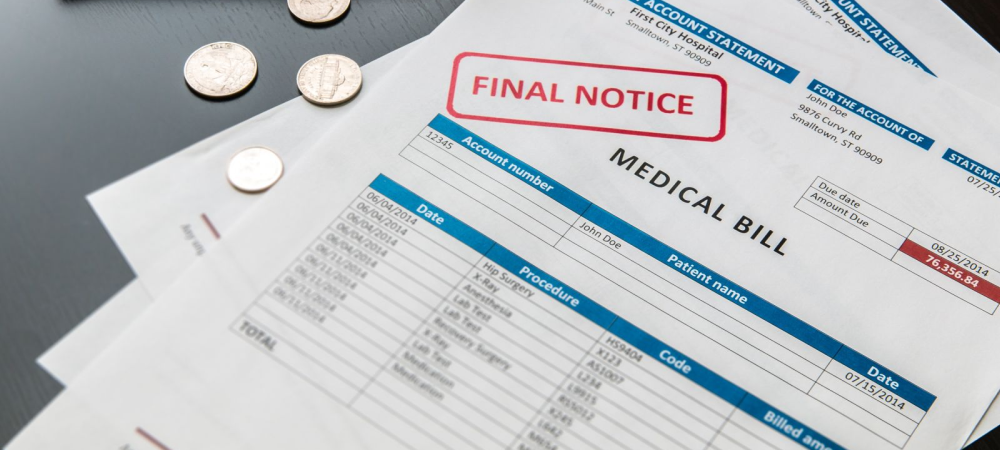
Receiving a massive medical invoice in the mail is highly stressful. When faced with a bill you simply cannot afford, the easiest reaction is to toss it in a drawer and hope it goes away. However, ignoring a medical bill does not make it disappear. While unpaid healthcare debts do not trigger immediate legal penalties, they set off a slow, escalating timeline of consequences.
Understanding what happens if you don’t pay your medical bills helps you take control of a frightening situation. The collection process moves through specific phases, starting with gentle reminders and ending with potential credit damage or legal action. Fortunately, you have specific rights and opportunities to fix the problem at every stage of this timeline. Whether you are dealing with a simple clinic visit or a major hospital stay, knowing how the medical bill collections system works gives you the power to protect your finances. This guide breaks down exactly what to expect over the first year of an unpaid medical debt.
The First 30 to 60 Days – The Initial Notice Phase
When a healthcare provider sends your first invoice, the clock officially starts. During this early window, the hospital or clinic assumes that you simply forgot to pay or that you need time to organize your finances. The tone remains polite and strictly administrative.
During the first 60 days, you will receive basic billing statements in the mail or via email. If you miss the first due date, a second reminder usually follows about a month later.
Why Your Credit Score is Safe Early On
One of the biggest fears patients have is that a missed deadline will ruin their credit immediately. During the first two months, your credit score is completely safe. Hospitals do not report late payments to credit bureaus directly. They keep the debt in-house while trying to collect the money themselves.
The Best Time to Check for Errors
This early phase is the perfect time to review the invoice closely. Billing departments make mistakes constantly.
Take these actions to protect yourself:
- Request an Itemized Bill: Ask the provider to send a detailed list of every charge. You might find charges for medications you never received or procedures that never happened.
- Verify Insurance Processing: Ensure the clinic actually billed your health insurance correctly. Sometimes, a simple typing error on your policy number causes a claim to bounce back to you.
- Dispute Mistakes Fast: If you spot an error, call the billing office immediately. Placing the bill in dispute usually pauses the collection timeline while they investigate.
Day 30 to 90 – Internal Escalation and Added Fees
If two or three months pass without a payment, the provider changes their strategy. The polite reminders stop, and the notices become much firmer. The hospital or clinic billing department will now flag your account as seriously past due.
Firmer Warnings and Extra Charges
At this stage, the hospital wants to force a reaction. You might start receiving automated phone calls asking you to settle the balance. Additionally, providers may add late fees or internal interest charges to your original balance. These extra fees make the debt even harder to pay off, so ignoring the letters only increases your financial burden.
Reaching Out for Payment Plans
Even though the letters look intimidating, the provider still wants to work with you directly. They would much rather accept a small monthly payment than sell your account to a debt collector for pennies on the dollar.
Most hospitals offer financial assistance programs. If you call their billing office, you can often negotiate a reasonable monthly payment plan. Many clinics also offer charity care programs that forgive the debt entirely if you can prove financial hardship. Do not let fear stop you from picking up the phone.
Day 90 to 180 – The Shift to Medical Bill Collections
The six-month mark is a major turning point for unpaid healthcare debt. Hospitals and doctors are not in the business of chasing down money forever. If an account sits unpaid for 90 to 180 days, the provider usually gives up on collecting it themselves.
Third-Party Debt Collectors Take Over
At this point, your account is sold or assigned to a third-party collection agency. This is when medical billing collections truly begin.
Expect a major shift in communication style:
- Persistent Phone Calls: Debt collectors will call your home and cell phone frequently.
- Demand Letters: You will receive official collection letters demanding immediate payment.
- Debt Validation: Under federal law, you have the right to request a “debt validation letter” to prove the collector legally owns the debt and that the amount is accurate.
The $500 Credit Reporting Rule
For years, any unpaid medical bill could ruin your credit score instantly. Recently, consumer protection laws have changed dramatically to protect patients.
Today, credit bureaus follow strict rules regarding healthcare debt. Unpaid accounts under $500 generally do not appear on credit reports at all. If your bill is $400 and goes to collections, it will not drop your credit score.
For balances over $500, credit reporting rules typically provide a one-year grace period before the debt hits your credit report. This year-long window gives you ample time to negotiate a settlement or fix insurance errors before your financial reputation takes a hit.
Beyond One Year – Legal Action and Credit Damage
If a large medical bill remains completely unresolved after an entire year, the situation becomes highly serious. The protective grace periods expire, and the collection agencies deploy their heaviest tactics.
When Collections Damage Your Credit
Once the one-year grace period ends, unpaid balances over $500 are officially reported to the major credit bureaus (Equifax, Experian, and TransUnion).
When a collection account appears on your credit report, it causes severe damage. A lowered credit score makes it incredibly difficult to secure a car loan, get approved for a mortgage, or even rent a new apartment. Fortunately, under new guidelines, if you eventually pay off that collection account, the credit bureaus will remove it from your report completely rather than leaving it as a negative mark for seven years.
The Threat of Lawsuits and Wage Garnishments
Credit damage is not the only risk you face after a year of non-payment. Healthcare providers or collection agencies retain the legal right to sue you for the money you owe.
If a collector files a lawsuit against you, you will receive a formal court summons. Ignoring a court summons is the worst mistake you can make. If you do not show up to court, the judge will issue a default judgment against you.
A court judgment gives the collector frightening legal powers to recover their money. Depending on your local laws, a judgment can lead to:
- Wage Garnishments: The court orders your employer to send a percentage of your paycheck directly to the debt collector.
- Bank Account Levies: The collector freezes your bank account and withdraws the funds needed to satisfy the debt.
- Property Liens: The collector places a legal claim against your home, making it impossible to sell the property until the debt is paid.
Note: If you are facing a lawsuit or severe collection threats, it is wise to learn about managing obligations with guidance from financial experts like Bromwich+Smith. You can also read official steps provided by the Consumer Financial Protection Bureau to understand your exact legal rights against aggressive debt collectors.
Conclusion
Medical debt is an overwhelming burden that affects millions of people every year. Knowing exactly what happens if you don’t pay your medical bills prevents you from being caught off guard when the letters start arriving. The process moves slowly, giving you several months to review the charges, fight insurance denials, and request financial assistance directly from your doctor.
Ignoring the problem only makes it worse. While debts under $500 offer some protection from credit reporting, larger bills will eventually damage your credit score and expose you to serious legal action, including wage garnishments. The best strategy is always proactive communication. Reaching out to the billing department early to set up a payment plan stops the collection timeline in its tracks and protects your financial future.
At YTC Healthcare, we believe that clear billing practices benefit both the patient and the provider. By keeping revenue cycles organized and transparent, we help clinics avoid sending patients to collections unnecessarily. Review collection basics via AAA Medical Billing and stay informed about your financial rights so you can handle your healthcare expenses with confidence.
Frequently Asked Questions
What happens if you don’t pay your medical bills right away?
If you miss the first deadline, nothing severe happens immediately. During the first 30 to 60 days, you will simply receive reminder notices in the mail. Your credit score is not affected, and you still have time to set up a payment plan or check for insurance errors.
Can medical billing collections ruin my credit score?
Yes, but only under specific conditions. Unpaid medical debts under $500 will not appear on your credit report. For debts over $500, credit bureaus give you a one-year grace period. If the debt remains unpaid after one year, it will hit your credit report and lower your score. However, once you pay it off, the negative mark is removed.
Will a hospital sue me for an unpaid medical bill?
Yes, healthcare providers or the collection agencies they hire have the legal right to sue you for unpaid balances. If they win a court judgment, they can forcefully collect the money through wage garnishments or bank account levies.
How can I stop a medical bill from going to collections?
The most effective way to stop the collection process is to contact the hospital or clinic’s billing department directly. Ask for an itemized bill, apply for their charity care program, or negotiate a monthly payment plan that fits your budget. As long as you make agreed-upon payments, they will not send your account to a collection agency.