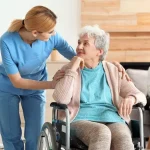
After an illness, surgery, hospital stay, or change in health, some patients need professional medical care but may be able to receive appropriate services in their own homes. For these individuals, skilled nursing at home can provide clinical support as part of a healthcare plan.
Home health skilled nursing refers to nursing services that require professional clinical training and are delivered in a patient’s residence. Depending on the patient’s condition and care plan, these services may include wound care, injections, monitoring specific health indicators, care education, and support during recovery.
However, skilled nursing is different from general caregiving. A personal care aide may help someone bathe, dress, or prepare meals, while skilled nursing involves clinical tasks performed by appropriately qualified professionals.
Understanding the services available, who may qualify, and how coverage works can help families make informed decisions about care at home.
What Is Home Health Skilled Nursing?
Home health skilled nursing is clinical nursing care delivered at home by appropriately licensed healthcare professionals. It is generally arranged when a patient needs nursing services that can be provided safely outside a hospital or other clinical setting.
The exact care depends on the patient’s medical needs, the treating clinician’s instructions, and the nurse’s scope of practice.
Skilled nursing at home may be considered for patients who:
- Are recovering after surgery or hospitalization.
- Need professional wound assessment and dressing care.
- Require prescribed nursing treatments or injections.
- Need monitoring related to a health condition.
- Have complex care needs that require clinical expertise.
- Need education about a prescribed treatment plan or recovery process.
Some patients receive skilled nursing alongside physical, occupational, or speech therapy. Others may need non-medical caregiving for daily activities in addition to nursing visits.
Skilled home health care is not automatically a substitute for hospital treatment. Patients who require continuous medical observation or immediate intervention may need a different level of care.
What Does Skilled Nursing at Home Include?
The services provided depend on the patient’s needs and the qualifications of the healthcare professional.
1. Wound Care and Dressing Changes
Patients recovering from surgery or living with certain wounds may need professional assessment and care.
A skilled nurse may assess the wound, provide appropriate dressing changes, observe for possible complications, and communicate concerns to the treating clinician.
Families should follow the care instructions provided by the healthcare team. Increasing redness, swelling, drainage, fever, or worsening pain may require prompt medical assessment. Severe or rapidly worsening symptoms may need urgent attention.
2. Medication Administration and Treatment Support
Some prescribed treatments require nursing expertise. Depending on the care plan and applicable rules, skilled nursing may include administering certain medications, injections, or other prescribed treatments.
The nurse follows the appropriate orders and observes the patient for relevant concerns. Medication changes should be made only by the responsible prescribing professional.
The specific tasks a nurse can perform depend on professional qualifications, the patient’s care plan, and applicable regulations.
3. Monitoring Health Indicators
For some patients, monitoring is an important part of the care plan. Depending on the condition, a nurse may check blood pressure, pulse, temperature, blood glucose, or other relevant indicators.
The purpose is to collect appropriate information, assess it within the nurse’s professional role, and communicate significant findings to the treating healthcare team.
Monitoring does not guarantee that every complication will be detected, and it does not replace emergency services when a patient develops severe or sudden symptoms.
4. Post-Hospital and Post-Surgical Care
Returning home after hospitalization can involve new instructions, prescribed treatments, wound care, and follow-up appointments.
Skilled nursing may help patients follow their discharge plan, receive required nursing treatments, and understand which changes should be reported to a clinician.
Before arranging care, confirm the specific services required and whether the provider can follow the instructions supplied by the hospital or treating professional.
5. Support for Chronic Conditions
Some patients need skilled nursing as part of managing a long-term condition.
Depending on the care plan, nursing services may involve clinical assessment, prescribed treatments, relevant monitoring, and education related to conditions such as diabetes, heart failure, or respiratory disease.
The nurse does not independently replace the treating clinician. Care should follow the established plan, with concerns communicated to the appropriate healthcare professional.
6. Patient and Family Education
A patient or family caregiver may need help understanding a new treatment routine, wound care instructions, or signs that require medical attention.
A skilled nurse can provide appropriate education and reinforce instructions from the healthcare team. This can help families understand their responsibilities and recognize when they need further professional guidance.
7. Coordination With Other Professionals
Skilled home health care may involve nurses, physicians, therapists, and other qualified professionals.
When multiple services are involved, communication helps ensure that relevant observations and care instructions reach the right people. Families should know whom to contact about changes in symptoms, scheduling, and clinical questions.
Who Qualifies for Skilled Nursing at Home?
Eligibility depends on the patient’s medical needs, the services required, and the rules of the provider, insurer, or public benefit program.
A patient may be considered for skilled nursing at home when a qualified healthcare professional determines that nursing services are needed and can be delivered safely in the home setting.
Situations that may prompt an assessment include:
- Recovery after an operation or hospitalization.
- A wound requiring professional nursing care.
- A prescribed treatment that requires a qualified nurse.
- A condition requiring specific clinical monitoring or nursing intervention.
- A need for professional instruction related to a treatment plan.
Having a chronic condition, being older, or needing help with daily activities does not automatically establish eligibility for skilled home health care.
For Medicare-covered home health services, additional program requirements apply. These may include needing qualifying skilled services, meeting the homebound criteria, and receiving care through an eligible provider under the required plan of care.
The treating healthcare professional and the relevant coverage provider can help determine which criteria apply.
Medicare Coverage for Skilled Nursing at Home
Medicare may cover eligible home health services when the beneficiary meets the program’s requirements.
For qualifying beneficiaries, covered services may include part-time or intermittent skilled nursing care and certain therapy services. Coverage is subject to the applicable rules, provider requirements, and plan of care.
Medicare home health coverage generally does not include:
- Twenty-four-hour-a-day care at home.
- Meal delivery.
- Homemaker services when these are the only services needed.
- Personal or custodial care when that is the only care required.
It is important to distinguish skilled nursing visits from continuous caregiving. A patient may need help throughout the day even if their eligible nursing services are intermittent. Those additional needs may require a separate arrangement.
Before starting care, confirm the patient’s eligibility, the services ordered, the provider’s participation, and any applicable costs.
For current requirements, review the official Medicare home health services coverage guide.
Skilled Nursing at Home vs. Non-Medical Homecare
These services can complement each other, but they serve different purposes.
| Feature | Skilled nursing at home | Non-medical homecare |
|---|---|---|
| Main purpose | Provide nursing services requiring clinical expertise | Assist with daily living and personal routines |
| Typical tasks | Wound care, prescribed nursing treatments, clinical assessment, and relevant monitoring | Bathing, dressing, meal preparation, companionship, and light housekeeping |
| Personnel | Appropriately licensed nursing professionals | Caregivers or support workers with relevant training |
| Care instructions | Follow clinical orders and the established care plan where required | Follow agreed support plans and role-specific responsibilities |
| Coverage | May be covered when program or insurance requirements are met | Often privately paid, although certain benefits or programs may help |
| Typical need | Medical treatment or nursing support at home | Assistance with everyday activities |
For example, a patient recovering from surgery may need a nurse to provide wound care and a caregiver to help with meals and personal hygiene.
When both services are needed, clarify which provider is responsible for each task and how relevant information will be shared.
What Are the Benefits of Skilled Nursing at Home?
Care in Familiar Surroundings
When home-based treatment is clinically appropriate, patients can receive certain nursing services without staying in a healthcare facility solely for those services.
Being at home may also make it easier for family members to participate in care discussions and learn about the patient’s treatment plan.
Support During Recovery
After surgery or illness, patients may need follow-up nursing care, wound assessment, or reinforcement of discharge instructions. Skilled nursing can help provide these services as part of the broader recovery plan.
The frequency and duration of care depend on the patient’s needs and the authorized arrangement.
Individualized Nursing Attention
A planned nursing visit can focus on the clinical tasks identified in the care plan. The nurse can document relevant findings and communicate concerns according to the provider’s procedures.
However, a scheduled visit does not mean a nurse is continuously present. Families should plan for any support needed between visits.
Guidance for Family Caregivers
Families may be uncertain about how to support a loved one after a hospital stay. Nursing education can help them understand appropriate care instructions, warning signs, and when to contact a professional.
Caregivers should not be expected to perform clinical tasks beyond their training or responsibilities.
Potentially Fewer Trips for Certain Services
Some eligible nursing services can be delivered at home, potentially reducing the need for specific trips to a healthcare facility.
Home nursing does not remove the need for medical appointments, tests, specialist treatment, or hospital care when these are clinically necessary.
How to Arrange Skilled Nursing at Home
Planning helps ensure the services match the patient’s needs and the provider can deliver them appropriately.
Step 1: Identify the Required Nursing Services
Write down why skilled nursing is being considered. Examples include wound care, prescribed treatments, post-surgical recovery, or monitoring associated with a particular condition.
Gather discharge instructions and any care recommendations already provided by the treating professional.
Step 2: Consult the Treating Healthcare Professional
Ask whether skilled nursing at home is appropriate and which services are required.
A clinician’s order or care plan may be necessary, depending on the service and coverage arrangement. The healthcare professional can also identify whether the patient needs therapy, non-medical caregiving, or a different level of care.
Step 3: Confirm Provider Qualifications
Verify that the nursing professional is appropriately licensed and has relevant experience for the requested services.
Ask whether the provider can meet the patient’s clinical needs, follow the care plan, and communicate with the responsible healthcare team when required.
Step 4: Check Coverage and Costs
Contact Medicare, the patient’s insurer, or the relevant benefit program to confirm eligibility and coverage.
Request a written estimate for any services that may be privately paid. Clarify visit length, frequency, scheduling arrangements, and additional charges.
Step 5: Prepare for the First Visit
Keep the patient’s current medication list, relevant clinical instructions, emergency contacts, and information about allergies accessible to the care team.
Make sure the provider knows about mobility challenges, access arrangements, and any special considerations that could affect the visit.
Step 6: Review Care as Needs Change
The patient’s condition may improve, remain stable, or change. Review whether the services remain appropriate and notify the treating clinician if new concerns develop.
Do not wait for a scheduled nursing visit when a patient experiences symptoms that require urgent assessment.
How Much Does Skilled Nursing at Home Cost?
The cost of skilled home health care varies by location, provider, nursing qualifications, type of treatment, and frequency of visits.
Factors that may affect the total cost include:
- The type and complexity of nursing services.
- The duration and frequency of visits.
- Whether specialized clinical expertise or equipment is required.
- Whether the patient needs additional therapy or non-medical caregiving.
- The patient’s eligibility for insurance or public benefits.
- Any travel, supply, or other charges associated with the arrangement.
Ask for an itemized estimate and confirm which services are included. If insurance may cover the care, verify the benefits before assuming that all costs will be paid.
Compare providers based on qualifications, service scope, communication, and the ability to meet the care plan, not price alone.
Choosing a Skilled Home Health Care Provider
Selecting the right provider is essential when a patient requires clinical care in the home.
Before making an arrangement, ask:
- Are the nursing professionals appropriately licensed?
- Do they have experience with the required nursing services?
- Which tasks are included in the proposed care?
- Is a clinician’s order or written plan required?
- How are changes in the patient’s condition reported?
- Who can the family contact with questions or concerns?
- What happens if a scheduled visit is missed?
- Does the provider participate in the patient’s insurance or benefit program, where applicable?
- What are the fees and scheduling policies?
Confirm that the proposed service can meet the patient’s specific needs and that the care plan is realistic for the home setting.
Explore Healthcare Staffing Support With YTC Healthcare
Arranging appropriate care at home begins with understanding the patient’s needs and identifying qualified professionals for the required responsibilities.
YTC Healthcare provides healthcare staffing services. Families and organizations exploring home-based support can visit the YTC Healthcare homecare staffing page to discuss their requirements and confirm which staffing options are available.
When enquiring, explain the type of nursing support required, the preferred schedule, the patient’s care needs, and any necessary qualifications. Confirm service availability, professional licensing, experience, and whether the proposed arrangement meets the patient’s clinical care plan.
For decisions about treatment, eligibility, or clinical needs, consult the patient’s healthcare professional and relevant coverage provider.
Frequently Asked Questions
1. What is home health skilled nursing?
Home health skilled nursing involves nursing services delivered at home by appropriately licensed professionals. Depending on the care plan, services may include wound care, prescribed treatments, relevant clinical monitoring, and patient education.
2. What is the difference between skilled nursing at home and regular home care?
Skilled nursing provides clinical services that require appropriate nursing qualifications. Regular non-medical homecare focuses on daily activities such as bathing, dressing, meal preparation, companionship, and household assistance. Some patients need both.
3. Who qualifies for skilled nursing at home under Medicare?
Eligibility depends on Medicare’s requirements, including the need for qualifying skilled services and other applicable conditions. A chronic diagnosis or a general need for assistance does not automatically qualify someone. Confirm eligibility with Medicare and the treating healthcare professional.
4. Does Medicare pay for 24-hour skilled nursing at home?
Medicare home health coverage generally does not pay for 24-hour-a-day care at home. It may cover eligible part-time or intermittent skilled nursing and certain other services when requirements are met. Additional support may need to be arranged separately.
5. How do I arrange skilled nursing care at home?
Start by discussing the patient’s needs with the treating healthcare professional. Confirm which nursing services are required, verify the provider’s qualifications, check insurance coverage, and establish a care plan that identifies responsibilities, scheduling, and communication procedures.
Final Thoughts
Skilled nursing at home can provide important clinical support for patients who need professional nursing services and can safely receive them in a home setting. It may be particularly helpful during recovery, for certain ongoing treatment needs, or when a clinician recommends appropriate home-based nursing care.
The best starting point is to identify the required services, consult the treating healthcare professional, and confirm provider qualifications and coverage. A clear care plan helps patients and families understand what nursing visits can provide, and what additional support may be needed between visits.