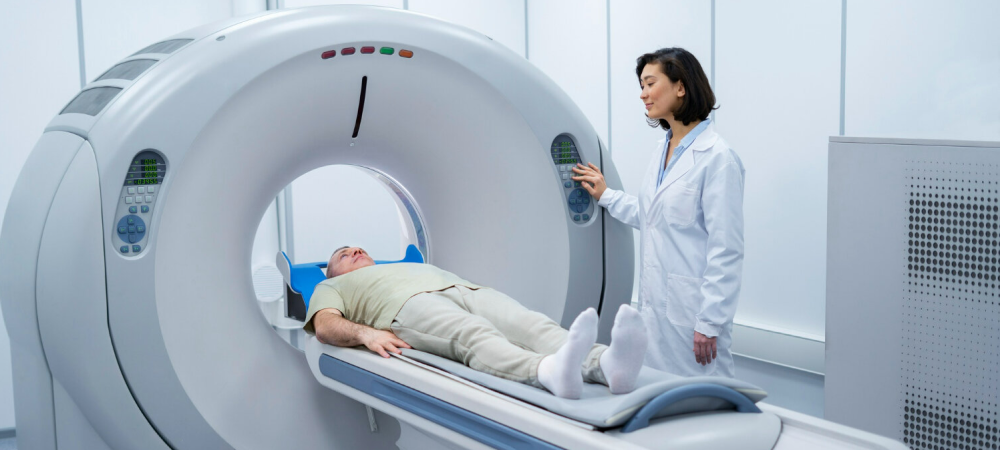
Choosing an outsourced radiology billing partner comes down to five things: deep radiology-specific coding expertise, a proven prior authorization workflow, technology that integrates with your existing systems, a denial management process that actively recovers revenue rather than just flagging rejections, and strict compliance standards backed by a signed Business Associate Agreement. Radiology billing carries more coding complexity than most specialties, since nearly every imaging exam splits into professional and technical components, so a generalist billing partner without radiology-specific depth is more likely to introduce denials than prevent them. Practices that want this level of specialization often turn to professional medical billing services built specifically around radiology’s coding demands.
This guide breaks down each evaluation criterion in detail, along with the questions worth asking before signing with any outsourced partner. For a broader look at vetting any billing partner, not just a radiology-specific one, this guide on how to choose a billing company covers the general evaluation criteria that apply across specialties.
Why Radiology Billing Requires a Specialized Partner
Radiology billing is structurally different from general medical billing. Most imaging exams split into a professional component (the radiologist’s interpretation) and a technical component (the equipment, facility, and technologist labor), each requiring its own modifier and, in many cases, its own claim logic. Add in the sheer volume of procedure codes that can apply to a single imaging visit, and the margin for coding error is smaller than in most other specialties. Other specialties carry their own distinct complexity instead, such as the patterns covered in this piece on mental health billing complexity.
A billing partner that treats radiology the same way it treats general primary care claims is more likely to introduce denials than prevent them. This is why radiology-specific expertise should be the first filter applied when evaluating any outsourced partner, whether that search starts with a specialty focus or a broader search like medical billing company near me.
Radiology-Specific Coding Expertise
The first thing to verify is whether the partner’s coding team actually understands radiology, not just medical billing in general.
- Modality-specific knowledge. The team should understand the distinct CPT codes and modifiers that apply to X-rays, MRIs, CT scans, ultrasounds, and nuclear medicine, since these differ meaningfully by modality.
- Certified coders. Look for staff holding recognized coding credentials, which signal a baseline standard of coding competency that reduces coding-related denials.
- Subspecialty familiarity. A partner should be comfortable with both diagnostic and interventional radiology billing, since interventional procedures often carry additional coding and documentation requirements that diagnostic-only billing doesn’t.
Prior Authorization Management
Advanced imaging, particularly MRIs and CTs, frequently requires prior authorization before the scan is performed, and this is one of the highest-volume administrative burdens in radiology billing. A capable partner should have a proven, proactive system for securing these authorizations ahead of the scheduled scan, not a reactive process that only catches the gap after a denial arrives.
Ask specifically how the partner tracks authorization status across a high volume of scheduled exams, and what happens when an authorization is still pending close to the scan date.
Technology and System Integration
A billing partner’s technology should work with your existing systems, not force you to change how your practice operates around it.
- EHR/RIS compatibility. The partner’s software needs to integrate cleanly with your existing Radiology Information System and practice management tools, rather than requiring duplicate data entry.
- Real-time visibility. Look for transparent dashboards or reporting that show clean claim rates, aging accounts receivable, and denial trends as they happen, not in a delayed monthly summary.
- Front-end claim scrubbing. Automated scrubbing tools that catch formatting or coding errors before submission reduce the number of claims that bounce back after the fact.
Denial Management and Recovery
Every billing partner will describe some form of denial management, but there’s a meaningful difference between a partner that simply flags rejected claims and one that actively works to recover the revenue behind them. Ask specifically:
- Does the team appeal denials proactively within the payer’s required window, or only when the practice raises it?
- Is there a process for tracing a denial back to its root cause, so the same coding or authorization error doesn’t recur on future claims?
- How is the team’s actual appeal and recovery performance tracked and reported back to the practice?
A partner that can answer these clearly, with a specific internal process rather than a general description, is more likely to protect revenue consistently.
Compliance and Data Security
Radiology involves protected health information at high volume, so compliance standards aren’t optional. Confirm the partner is compliant with HIPAA, and if the practice operates in Canada, PHIPA, and that this is backed by a signed Business Associate Agreement rather than just a general compliance statement on their website. This agreement is what formally establishes the partner’s legal responsibility for handling patient data securely. Compliance expectations run just as high in other closely scrutinized specialties, such as those covered in this guide on behavioral health billing challenges.
Questions to Ask Before Choosing a Partner
- Are the coders assigned to your account dedicated to your practice, or shared across many clients at once?
- How does the partner specifically handle a claim denial, from the moment it’s received to resolution?
- What does onboarding look like, and how long does it typically take before claims are being submitted at full volume?
- Can the partner provide references or performance benchmarks from practices with a similar imaging mix to yours?
- What licensing or certifications does the partner hold in the jurisdictions where your practice operates?
How YTC Healthcare Meets This Standard
YTC Healthcare’s Medical Billing and Coding team is built around the modality and modifier complexity radiology requires, coding professional, technical, and global claims according to the actual service split documented for each exam rather than defaulting to a standard pattern. The Compliance and Reporting team manages prior authorization tracking and keeps current payer and coding rules on file so authorization gaps are caught before a scan date, not after a denial. This same structured approach is available to practices of every size, an idea covered in more detail in this guide on billing services for small practices. The Denial Management and Appeals team traces every denial back to its root cause, whether that’s a modifier issue, a coding mismatch, or a documentation gap, and works appeals within the payer’s required window rather than waiting for the practice to escalate. YTC Healthcare is HIPAA and PHIPA compliant, licensed in Ontario (Permit THA-0000002579) and Quebec (Permit YTC-AP-2202698), and certified by the Pennsylvania Department of Health, giving practices in both Canada and the United States a partner that meets jurisdiction-specific compliance requirements rather than a single-market standard. This structure is part of how YTC Healthcare maintains its internal benchmark of 95% or higher first-pass claim acceptance and accounts receivable under 40 days.
Red Flags to Watch For
- A partner that can’t explain their specific denial management process beyond “we handle it”
- No mention of dedicated versus shared account staffing
- Vague or unverifiable performance claims without a documented benchmark behind them
- No clear answer on which coding credentials their staff actually hold
- Reluctance to provide a signed Business Associate Agreement upfront
FAQ
What should I look for first when choosing a radiology billing partner?
Start with radiology-specific coding expertise, since imaging exams require distinct modality knowledge, certified coders, and familiarity with both diagnostic and interventional billing rules that a generalist billing partner may not have.
Why does prior authorization management matter so much in radiology billing?
Advanced imaging like MRIs and CTs frequently requires prior authorization before the scan is performed, and a proactive tracking system prevents denials that occur when a scan happens without an active authorization on file.
What is the difference between a billing partner that flags denials and one that recovers them?
A partner that only flags denials leaves the follow-up work to the practice, while a partner focused on recovery actively appeals within the payer’s required window and traces each denial back to its root cause to prevent repeat errors.
What compliance standards should a radiology billing partner meet?
At minimum, a partner should be HIPAA compliant, PHIPA compliant if operating in Canada, and willing to sign a Business Associate Agreement that formally establishes their responsibility for handling patient data securely.
Should a radiology billing partner integrate with my existing RIS or EHR?
Yes. A billing partner’s technology should integrate with your existing Radiology Information System and practice management tools rather than requiring duplicate data entry or a separate, disconnected workflow.
What questions should I ask before signing with an outsourced radiology billing partner?
Ask whether coders are dedicated to your practice, how denials are specifically handled from start to resolution, what onboarding looks like, and what licensing or certifications the partner holds in your specific jurisdiction.